The Benefits of Low-Carb Dieting: Jumpstart with 10 Recipes
Low-carb dieting has gained popularity for good reasons. Many people find it helps with weight loss and boosts energy levels.
A low-carb diet focuses on reducing carbohydrate intake and increasing protein and healthy fats. This shift can lead to better health and weight control. Studies show that cutting carbs can help you feel full longer, reducing cravings. Plus, low-carb meals can be simple and delicious.

In this blog post, you will discover the benefits of low-carb dieting and explore ten easy recipes to help you start your journey. Whether you are new to this way of eating or looking to refresh your meal ideas, these recipes will support your goals. Let’s dive into the world of low-carb dining!

Credit: www.pinterest.com
Introduction To Low-carb Eating
Low-carb eating focuses on reducing carbohydrates. This diet emphasizes foods rich in protein and healthy fats. Many people choose this diet for weight loss or health improvement.
Understanding low-carb eating helps you make better food choices. It can lead to a healthier lifestyle. This section covers the basics and benefits of a low-carb diet.
The Basics Of A Low-carb Diet
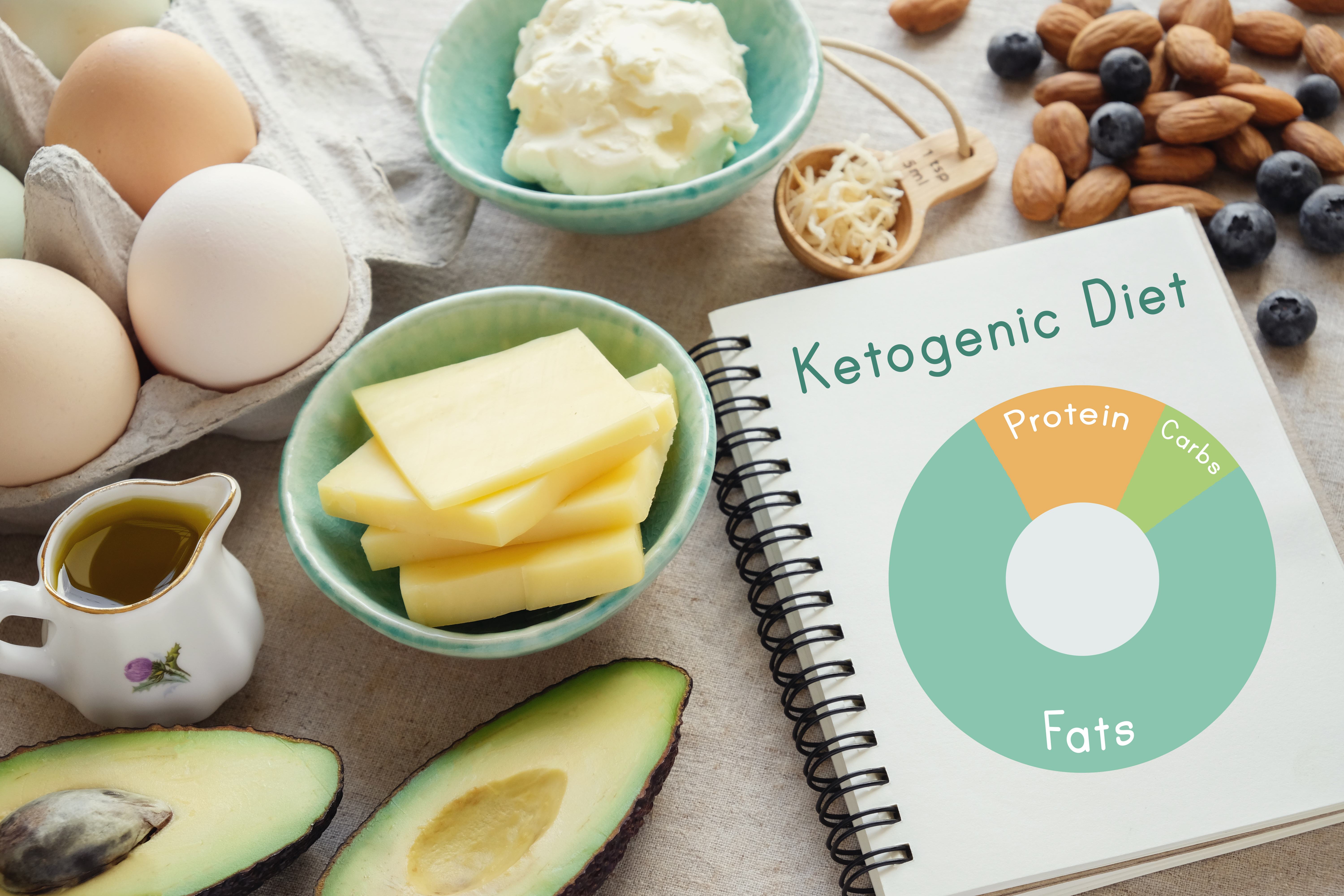
A low-carb diet limits foods high in sugars and starches. Instead, it encourages eating vegetables, nuts, and lean proteins. Common low-carb diets include Atkins and Ketogenic diets.
Each of these diets has different carb limits. Atkins starts with strict limits, then gradually adds more carbs. Ketogenic diets focus on very low carb intake to reach ketosis.
Potential Health Benefits
Low-carb dieting offers various health benefits. Many people lose weight quickly on this diet. It can also reduce hunger levels.
Studies show low-carb diets may improve blood sugar control. This can be helpful for those with type 2 diabetes. It may also lower blood pressure and improve heart health.
Some find more energy and mental clarity on low-carb diets. This can lead to better focus and productivity. Overall, a low-carb diet can be beneficial for many health issues.
Carbs Vs. Ketosis: The Science
Understanding the science behind carbs and ketosis is essential. This knowledge can help you choose the right diet for your health. Carbs are a primary energy source. However, limiting carbs can push the body into ketosis. This section explains how ketosis works and the role of carbohydrates in metabolism.
How Ketosis Works
Ketosis is a metabolic state. It occurs when the body runs low on carbohydrates. In this state, the body burns fat for energy instead of carbs. This process produces molecules called ketones. Ketones become the main energy source for your body and brain.
To enter ketosis, the body needs to reduce carbohydrate intake significantly. Generally, this means consuming less than 50 grams of carbs per day. When this happens, the body shifts its energy production from glucose to fat.
Carbohydrate Intake And Metabolism
Carbohydrates are essential for energy. They break down into glucose in the body. Glucose fuels most cells. However, too many carbs can lead to weight gain. Excess glucose can be stored as fat.
Here’s a simple breakdown of carbohydrate metabolism:
| Carbohydrate Type | Impact on Blood Sugar | Common Sources |
|---|---|---|
| Simple Carbs | Quick spike | Sugars, candies, soda |
| Complex Carbs | Slow release | Whole grains, beans, vegetables |
Limiting simple carbs helps stabilize blood sugar levels. This can reduce cravings and hunger. Focusing on healthy fats and proteins can support ketosis. This shift can lead to weight loss and improved energy.
- Weight loss
- Reduced hunger
- Improved focus
- Stable blood sugar levels
Weight Loss And Low-carb Diets
Many people choose low-carb diets for weight loss. These diets limit carbohydrate intake. This helps the body burn fat for energy. Studies show that low-carb diets can lead to faster weight loss.
Low-carb diets focus on foods high in protein and healthy fats. These foods keep you full longer. You may eat less overall. This can lead to a calorie deficit, which is key for weight loss.
Accelerating Fat Burn
One major benefit of low-carb diets is fat burning. When you cut carbs, your body enters a state called ketosis. In ketosis, your body uses fat for fuel instead of carbs.
Here are some effects of low-carb diets on fat burn:
- Reduces insulin levels.
- Increases fat oxidation.
- Enhances metabolism.
- Decreases appetite.
These factors make it easier to lose weight. Many find low-carb diets easier to stick to. This means better long-term results.
Comparing Diets: Low-carb Versus Low-fat
Low-carb diets often perform better than low-fat diets for weight loss. Here’s a quick comparison:
| Aspect | Low-Carb Diet | Low-Fat Diet |
|---|---|---|
| Weight Loss | Faster results | Slower results |
| Satiation | High (due to protein and fat) | Low (often leads to hunger) |
| Insulin Levels | Low | Higher |
| Muscle Mass | Preserved | Can be lost |
Research shows that low-carb diets help people lose more weight. They also improve health markers like blood sugar and cholesterol. Many people feel more energetic and satisfied on low-carb plans.
Managing Health Conditions
Low-carb dieting can help manage several health conditions. This way of eating lowers carbohydrate intake. It often leads to better health outcomes. Let's explore how it benefits blood sugar control and heart health.
Blood Sugar Control
A low-carb diet can be effective for controlling blood sugar levels. Reducing carbs lowers insulin needs. This can help those with diabetes or prediabetes.
Here are some ways low-carb diets help:
- Reduces blood sugar spikes.
- Improves insulin sensitivity.
- Helps maintain steady energy levels.
Studies show that people on low-carb diets often experience:
| Study | Result |
|---|---|
| Study 1 | Lower fasting blood sugar levels. |
| Study 2 | Improved HbA1c levels. |
Heart Health And Cholesterol Levels
Heart health is crucial for overall wellness. A low-carb diet can improve cholesterol levels. It often raises good cholesterol (HDL) while lowering bad cholesterol (LDL).
Benefits include:
- Lower triglycerides.
- Improved blood pressure.
- Reduced risk of heart disease.
Research indicates:
| Research | Finding |
|---|---|
| Research 1 | Decreased levels of harmful LDL cholesterol. |
| Research 2 | Increased levels of protective HDL cholesterol. |
These changes can lead to better heart health. A low-carb diet can be a smart choice for many.
Physical Performance Benefits
Low-carb dieting offers several physical performance benefits. Athletes can see improvements in endurance and strength. Reducing carbs can help the body use fat as fuel. This leads to better energy levels during workouts. Here, we will explore how low-carb diets can help endurance athletes and those focused on strength training.
Endurance Athletes On Low-carb
Endurance athletes often benefit from a low-carb diet. This approach trains the body to burn fat efficiently. Fat stores provide a larger energy reserve than carbohydrates. Many long-distance runners and cyclists report improved stamina.
Some studies show that low-carb diets do not hinder performance. Athletes can maintain speed over long distances. They may experience fewer energy crashes. This means they can train longer without feeling fatigued.
Strength Training Without Carbs
Strength training can also thrive on a low-carb diet. Muscles adapt to use fat for energy. This helps athletes maintain their strength. Many lifters find they can lift heavy weights without carbs.
Reduced carbs can lead to better body composition. Less body fat helps muscles look more defined. Many bodybuilders choose low-carb options to achieve this look. They focus on protein and healthy fats instead.
Credit: nutritionsource.hsph.harvard.edu
10 Starter Recipes For Low-carb Living
Starting a low-carb diet can feel overwhelming. The right recipes make it easier. Here are 10 starter recipes for low-carb living. These meals are simple and delicious. They will help you enjoy your journey to better health.
Breakfast Options
- Scrambled Eggs with Spinach
Quick and rich in protein. Sauté spinach in olive oil. Add beaten eggs. Cook until fluffy.
- Avocado and Bacon Cups
Cut an avocado in half. Remove the pit. Fill with cooked bacon. Bake until warm.
- Greek Yogurt Parfait
Use plain Greek yogurt. Add nuts and berries. Sweeten with a touch of stevia.
Lunch Ideas
- Cauliflower Fried Rice
Grate cauliflower into rice-sized pieces. Stir-fry with veggies and eggs.
- Chicken Salad Lettuce Wraps
Mix shredded chicken with mayo and spices. Serve in lettuce leaves.
- Caprese Salad
Layer fresh mozzarella, tomatoes, and basil. Drizzle with balsamic vinegar.
Dinner Favorites
- Zucchini Noodles with Pesto
Spiralize zucchini into noodles. Toss with pesto sauce. Serve with grilled chicken.
- Stuffed Bell Peppers
Fill bell peppers with ground meat and spices. Bake until tender.
- Salmon with Asparagus
Season salmon with lemon and herbs. Bake with asparagus until cooked.
Snacks And Desserts
- Cheese and Meat Platter
Combine your favorite cheeses and cured meats. Add olives for extra flavor.
- Chocolate Avocado Mousse
Blend ripe avocados with cocoa powder and sweetener. Chill before serving.
- Almond Butter Energy Balls
Mix almond butter, flaxseed, and unsweetened coconut. Roll into balls.
Meal Planning For Success
Meal planning is key for low-carb dieting. It helps you stay organized. This way, you avoid unhealthy choices. Preparing meals in advance saves time and effort.
With a solid plan, you can enjoy tasty meals. You also reduce stress during busy weeks. Let’s explore shopping lists and prep tips next.
Shopping Lists And Prep Tips
Create a shopping list before you head to the store. Focus on fresh vegetables, lean meats, and healthy fats. Include items like spinach, broccoli, chicken, and avocados.
Stick to the outer aisles of the grocery store. That is where fresh foods are located. Avoid processed foods in the center aisles. They often contain hidden carbs.
Prep your meals for the week on Sunday. Chop vegetables and cook proteins in advance. Store them in clear containers for easy access.
Label each container with the meal name and date. This helps you track freshness. Consider batch cooking. It saves time and keeps meals ready for busy days.
Navigating Dining Out
Dining out can be tricky on a low-carb diet. Look for restaurants that offer healthy options. Grilled meats and salads are usually good choices.
Ask for dressings and sauces on the side. This way, you control how much you add. Avoid bread, rice, and pasta. Choose vegetables or extra protein instead.
Don’t be afraid to ask questions. Many restaurants will customize your meal. Share your low-carb needs with the server.
With these tips, you can enjoy dining out. Stay on track with your low-carb goals. Meal planning makes it easier to succeed.
Addressing Common Challenges
Starting a low-carb diet can be tough. Many face challenges along the way. Knowing how to deal with these issues helps you succeed. Here, we will explore two common challenges: carb cravings and plateaus.
Dealing With Carb Cravings
Carb cravings can hit hard. They often occur during the first weeks of a low-carb diet. Here are some tips to help manage those cravings:
- Stay Hydrated: Drink plenty of water. Thirst can feel like hunger.
- Eat Enough Protein: Protein keeps you full longer. Include it in every meal.
- Incorporate Healthy Fats: Fats can satisfy cravings. Add avocados, nuts, or olive oil.
- Choose Low-Carb Snacks: Keep snacks like cheese or veggies handy.
- Plan Meals: Planning helps you avoid last-minute choices.
Try to distract yourself when cravings hit. Go for a walk or read a book. Staying active helps keep your mind off food.
Overcoming Plateaus
Plateaus are frustrating. They happen when weight loss stalls. Here are some strategies to break through:
- Reassess Your Carb Intake: You may need to lower carbs even more.
- Mix Up Your Routine: Change your workouts. Try new exercises to shock your body.
- Track Your Food: Keep a food diary. This helps identify hidden carbs.
- Get Enough Sleep: Lack of sleep can hinder weight loss. Aim for 7-9 hours a night.
- Limit Snacking: Too many snacks can add up. Focus on balanced meals.
Remember, plateaus are normal. Stay consistent and patient. Results will come.
Sustaining A Low-carb Lifestyle
Sticking to a low-carb lifestyle can feel tough. It requires planning and commitment. With the right strategies, you can make this lifestyle enjoyable and sustainable. Here are two key areas to focus on: long-term diet maintenance and building community support.
Long-term Diet Maintenance
Maintaining a low-carb diet over time is crucial. Here are some tips to help you stay on track:
- Plan meals ahead: Create weekly menus.
- Track your intake: Use apps or journals.
- Stay flexible: Adjust meals as needed.
- Focus on variety: Try new recipes regularly.
- Set realistic goals: Aim for steady progress.
By keeping your meals interesting, you reduce boredom. This helps you stick to your plan. Remember, it’s okay to enjoy treats in moderation. Balance is key.
Community And Support Networks
Finding a community can boost your motivation. Surrounding yourself with others helps you feel connected. Consider these options:
- Join local low-carb groups.
- Participate in online forums.
- Follow social media pages for inspiration.
- Attend low-carb cooking classes.
- Share recipes and tips with friends.
A supportive network can make a big difference. Sharing experiences brings encouragement. Celebrate your successes together. Remember, you are not alone on this journey.

Credit: www.everydayhealth.com
Frequently Asked Questions
What Are The Main Benefits Of Low-carb Dieting?
Low-carb dieting can lead to significant weight loss by reducing insulin levels. It helps control hunger and promotes fat burning. Many people experience increased energy levels and improved mental clarity. Additionally, a low-carb diet may reduce the risk of chronic diseases like diabetes and heart disease.
How Can I Start A Low-carb Diet?
To start a low-carb diet, begin by reducing your intake of sugars and starches. Focus on eating whole foods such as vegetables, lean proteins, and healthy fats. Meal prepping can help you stay on track. Gradually transition to low-carb recipes for a smoother adaptation to the diet.
Are There Easy Low-carb Recipes For Beginners?
Yes, there are plenty of easy low-carb recipes suitable for beginners. Simple dishes like zoodles, cauliflower rice, and egg-based meals can be great starting points. Many recipes require minimal ingredients and preparation time. Exploring these options can make your low-carb journey enjoyable and sustainable.
Can Low-carb Diets Be Sustainable Long-term?
Yes, low-carb diets can be sustainable long-term for many people. By focusing on whole, nutritious foods, you can maintain a balanced diet. It's essential to listen to your body and adjust as needed. Incorporating variety and occasional treats can also help keep the diet enjoyable.
Conclusion
Low-carb dieting offers many health benefits. It can help with weight loss and improve energy levels. Trying new recipes makes the journey enjoyable and delicious. Each recipe in this post is simple and tasty. They can support your low-carb goals while keeping meals exciting.
Start your low-carb journey today. Enjoy the flavors and feel the difference. Healthy eating can be easy and fun. Embrace this change for a happier, healthier you.