The Ultimate Guide to Meal Prep: Slim Down & Save Time!
Meal prep can transform your eating habits. It helps you save time and reach your weight loss goals.
In today's busy world, healthy eating often takes a backseat. Many people struggle to find the time to cook nutritious meals. This is where meal prep comes in. By preparing meals in advance, you can enjoy delicious, healthy options throughout the week.
This guide offers ten easy recipes that are perfect for weight loss. Each recipe is designed to be simple and quick, helping you stick to your diet without feeling overwhelmed. Get ready to save time and eat better. Let’s dive into the ultimate meal prep guide that will change your approach to cooking and dieting.
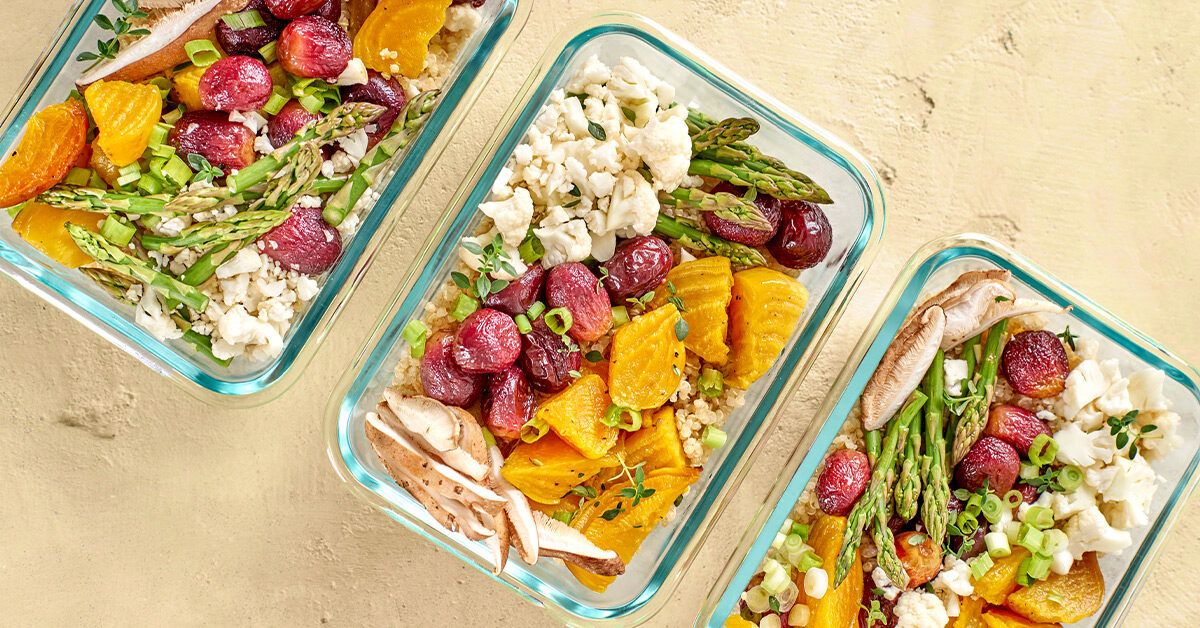
Credit: www.healthline.com
Introduction To Meal Prep
Meal prep is planning your meals ahead of time. It saves time and helps with healthy eating. Busy days make it hard to cook. Meal prep makes it easy. With simple recipes, you can enjoy healthy meals all week.
Benefits Of Planning Your Meals
Planning meals has many benefits. Here are some key reasons to try it:
- Saves Time: Prepare meals in advance.
- Reduces Stress: No last-minute cooking.
- Healthy Choices: Control ingredients and portions.
- Cost-Effective: Buy in bulk and reduce waste.
How It Helps You Slim Down
Meal prep can help you lose weight. It keeps you on track with your diet. Here are ways it helps:
- Portion Control: Pre-measured servings prevent overeating.
- Healthy Options: Choose nutritious foods over junk food.
- Stay Consistent: Stick to your eating plan easily.
- Less Temptation: Fewer chances to grab unhealthy snacks.
Meal prep helps you make smarter food choices. It supports your weight loss journey. Start planning your meals today!
Essentials Of Meal Prepping
Meal prepping is a smart way to save time and support weight loss. It helps you plan your meals ahead. This section covers the basics you need to start meal prepping.
Choosing The Right Containers
Picking the right containers is key to successful meal prep. Good containers keep food fresh and make storage easy. Here are some tips:
- Material: Use glass or BPA-free plastic.
- Size: Choose different sizes for various meals.
- Microwave Safe: Ensure they can go in the microwave.
- Leak-Proof: Look for containers that seal well.
Consider this table for container options:
| Material | Pros | Cons |
|---|---|---|
| Glass | Durable, microwave-safe, no chemicals | Heavier, may break |
| Plastic | Lightweight, affordable, many sizes | May contain chemicals, can warp |
Must-have Kitchen Tools
Having the right tools makes meal prep easier. Here are some must-have kitchen tools:
- Sharp Knife: A good knife speeds up chopping.
- Cutting Board: Protects your counters and makes cutting easy.
- Measuring Cups: Helps with portion control.
- Food Processor: Great for chopping and mixing.
- Slow Cooker or Instant Pot: Cooks meals with little effort.
These tools save time and help you prepare healthy meals. With the right containers and tools, meal prepping becomes simple and fun.
Creating Your Meal Prep Plan
Meal prep helps save time and support weight loss. A good plan makes it easier to stick to healthy eating. Follow these steps to create a meal prep plan that works for you.
Setting Realistic Goals
Start by setting clear and achievable goals. Decide how much weight you want to lose. Choose a time frame that feels comfortable. Small, steady changes work better than drastic ones.
Think about your daily routine. How many meals do you need to prepare? Consider your schedule. This will help you plan your meals effectively. Remember, goals should be specific and measurable.
Balancing Macronutrients
Macronutrients are essential for a healthy diet. They include proteins, fats, and carbohydrates. Aim to include all three in your meals. This will help you feel full and energized.
Protein helps with muscle repair and growth. Healthy fats support brain function. Carbohydrates provide energy for daily activities. Balance these nutrients in your meal prep. This approach promotes better health and weight loss.

Credit: www.healthline.com
Time-saving Strategies For Meal Prepping
Meal prepping saves time and helps with weight loss. Use these strategies to make meal prep easier. Each tip helps you stay organized and efficient. You’ll spend less time cooking and more time enjoying your meals.
Batch Cooking Basics
Batch cooking is an easy way to prepare multiple meals at once. Here are some simple steps:
- Choose a Day: Pick one day each week for cooking.
- Plan Your Menu: Select 3-5 recipes to prepare.
- Cook in Bulk: Make large portions of each dish.
- Store Properly: Use airtight containers for storage.
- Label Everything: Write names and dates on each container.
These steps make cooking faster and easier. Cook in larger quantities. Freeze meals for later. This helps reduce cooking time during busy weeks.
Efficient Grocery Shopping Tips
Smart grocery shopping saves time and money. Follow these tips for a smoother experience:
- Make a List: Write down all needed ingredients.
- Organize by Aisle: Group items by store sections.
- Shop Once a Week: Limit trips to the grocery store.
- Buy in Bulk: Purchase non-perishables in larger quantities.
- Use Online Shopping: Order groceries for delivery or pickup.
These tips help streamline your shopping. Less time in the store means more time cooking.
| Tip | Benefit |
|---|---|
| Make a List | Reduces impulse buys and saves time. |
| Organize by Aisle | Speeds up the shopping process. |
| Shop Once a Week | Frees up time for other activities. |
| Buy in Bulk | Helps save money on staples. |
| Use Online Shopping | Makes shopping more convenient. |
These strategies support effective meal prepping. Spend less time cooking and more time enjoying delicious meals.
Healthy Recipes That Support Weight Loss
Eating healthy doesn't have to be hard. Meal prep helps save time and keeps you on track. These recipes are delicious and easy to make. They support weight loss while keeping you satisfied. Enjoy every meal without guilt.
Breakfast Options To Kickstart Your Day
Start your morning with energy. Try overnight oats topped with berries. They are rich in fiber and keep you full. Another great option is a veggie-packed omelet. Use spinach, tomatoes, and onions for flavor.
Greek yogurt with honey and nuts makes a tasty choice too. It is high in protein and helps manage hunger. Smoothies with spinach and banana are quick and refreshing. They provide nutrients without excess calories.
Light And Satisfying Lunches
For lunch, salads can be both light and filling. Mix greens with grilled chicken or chickpeas. Add a simple vinaigrette for a fresh taste. Wraps made with lettuce and turkey are another great option. They are low in carbs and high in protein.
Quinoa bowls loaded with veggies are nutritious. They can be prepped in advance and stored easily. Hummus and carrot sticks offer a crunchy snack. They are perfect between meals to keep hunger at bay.
Dinners That Keep You Full
Dinner should be hearty yet healthy. Try baked salmon with asparagus and brown rice. It’s rich in omega-3s and keeps you satisfied. Stir-fried tofu with mixed vegetables is another great choice. This meal is packed with plant-based protein.
Chicken stir-fry with bell peppers and broccoli is quick and easy. It offers a burst of flavor without excess calories. Lentil soup is warming and filling. It can be made in large batches and frozen.
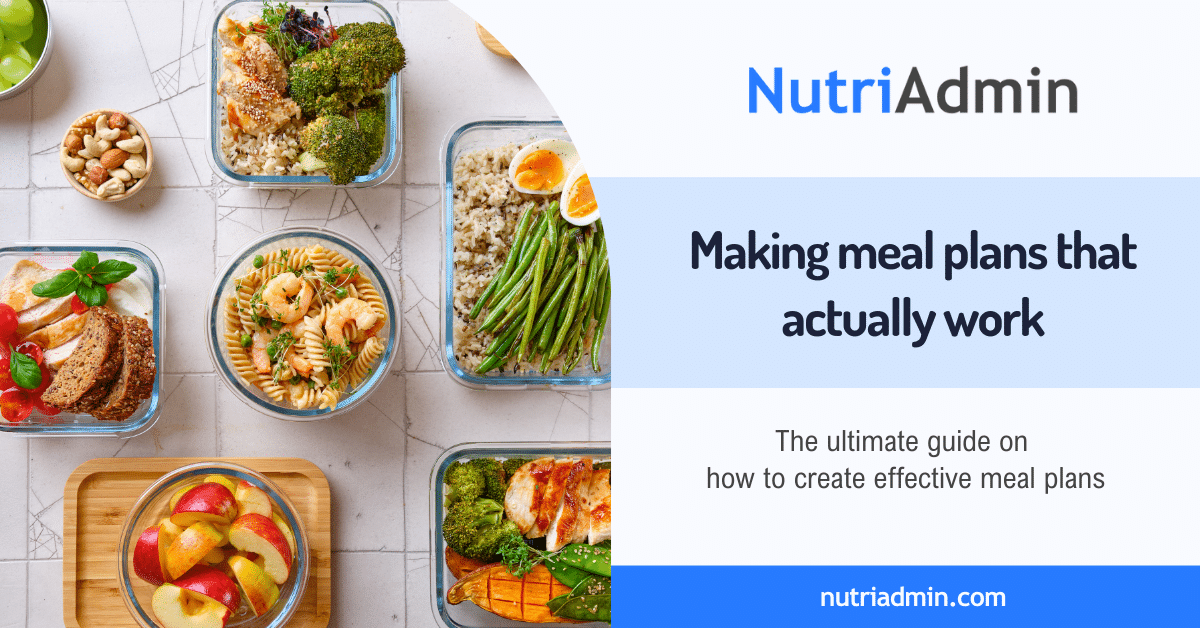
Credit: nutriadmin.com
Portion Control And Dietary Considerations
Understanding portion control is vital for weight loss. It helps manage calorie intake. Knowing how much to eat supports your goals. Dietary considerations play a big role too. Everyone has unique dietary needs. Let’s explore how to balance these aspects.
Understanding Portion Sizes
Portion sizes can affect your meal prep. Eating the right amount helps control hunger. Use the following guidelines for better portion control:
- Protein: One serving is about the size of your palm.
- Carbohydrates: Aim for a fist-sized portion.
- Vegetables: Fill half your plate with vegetables.
- Fats: Use a thumb-sized amount of healthy fats.
Consider using measuring cups or a kitchen scale. This will help you stay on track. Here’s a simple table to visualize portions:
| Food Group | Serving Size |
|---|---|
| Proteins | 3-4 oz (about the size of a deck of cards) |
| Grains | ½ cup cooked (about the size of a cupcake) |
| Fruits | 1 medium fruit (about the size of a tennis ball) |
| Vegetables | 1 cup raw (about the size of a baseball) |
Visual aids can help you understand portion sizes better. Use your hand as a guide. This method is simple and effective.
Adjusting For Dietary Restrictions
Dietary restrictions vary among individuals. Some may need gluten-free options. Others may avoid dairy or meat. Adjust recipes to fit these needs.
Here are some common dietary restrictions and how to adapt:
- Gluten-Free: Use quinoa or rice instead of wheat.
- Dairy-Free: Substitute almond milk for cow’s milk.
- Vegetarian: Replace meat with beans or lentils.
- Keto: Focus on high-fat, low-carb ingredients.
Label your meals clearly. Include ingredients and potential allergens. This helps anyone who may have dietary concerns.
Meal prep should fit your lifestyle and health needs. Adjusting recipes keeps meals enjoyable and safe.
Storing And Reheating Your Meals Safely
Storing and reheating meals safely is important for your health. Proper methods keep food fresh and tasty. It also prevents foodborne illnesses. Follow these guidelines to ensure your meals are safe to eat.
Best Practices For Food Safety
Always wash your hands before handling food. Clean surfaces and utensils often. Use separate cutting boards for meat and vegetables. This avoids cross-contamination.
Store cooked meals in airtight containers. Label each container with the date. Use the oldest meals first to reduce waste. Keep your refrigerator at 40°F or below.
Reheat meals to at least 165°F. Use a food thermometer to check the temperature. Stir food well to heat evenly. Avoid reheating multiple times. This can spoil the food.
Tips For Keeping Meals Fresh
Choose high-quality containers for storage. Glass containers are great for reheating. They do not absorb odors or stains.
Freeze meals for longer storage. Most meals freeze well. Thaw them in the refrigerator before reheating.
Keep herbs and greens fresh by wrapping them in damp paper towels. Store them in airtight bags. This keeps them crisp for longer.
Avoid leaving food out for more than two hours. Bacteria grow quickly in warm temperatures. Always refrigerate leftovers promptly.
Overcoming Common Meal Prep Challenges
Meal prep can be tough. Many face challenges that make it hard. Boredom and social situations can stop progress. Here are ways to overcome these hurdles.
Dealing With Boredom
Boredom often creeps in during meal prep. Eating the same meals can feel dull. To keep things fresh, try new recipes each week. Use different spices and herbs. This adds flavor and excitement.
Rotate your meal choices regularly. Explore different cuisines. Consider cooking in batches. This saves time and prevents monotony. Remember, variety is key to staying engaged.
Navigating Social Situations
Social events can challenge meal prep. Friends may want to eat out. Family gatherings often include unhealthy food. Communicate your goals with your friends and family. They might support your efforts.
Bring your own healthy dish to parties. This ensures you have a good option. Choose places with healthy menus when dining out. Stay focused on your goals. Balance fun with healthy eating.
Tracking Your Progress And Adjusting Your Plan
Keeping track of your meal prep can help you stay on target. Monitoring your progress is key to reaching your weight loss goals. Adjusting your plan as needed will help you stay motivated. Here’s how to do it effectively.
Monitoring Weight Loss
Track your weight loss regularly. Use a notebook or a mobile app. Record your weight every week at the same time.
- Weigh yourself in the morning.
- Use the same scale each time.
- Write down your weight to see changes.
Look for trends over time. A small loss each week is a good sign. Remember, weight can fluctuate due to water retention or other factors.
Consider also tracking your measurements. Use a tape measure to check:
| Body Part | Measurement Location |
|---|---|
| Waist | At the narrowest point |
| Hips | At the widest part |
| Chest | At the fullest part |
| Thigh | Midway between knee and hip |
Tracking measurements helps you see changes in body composition. It is important to celebrate every small victory.
When To Switch Up Your Meals
Changing your meals can keep things fresh. If weight loss slows, it might be time for a change. Here are signs to look for:
- You plateau for more than two weeks.
- You feel bored with your meals.
- Your energy levels drop.
To switch up meals, try these ideas:
- Change the protein source. Try chicken, fish, or tofu.
- Mix different vegetables. Use seasonal produce for variety.
- Experiment with spices and herbs. They can change flavors.
Adjust portion sizes if necessary. Make sure you are satisfied but not overly full. This balance is crucial for success.
Conclusion: Staying Committed To Your Goals
Staying committed to your weight loss goals is important. Meal prep helps you stay on track. It saves time and keeps you focused. With the right recipes, you can make healthy eating easy.
Maintaining Motivation
Staying motivated can be tough. Here are some tips to keep your spirits high:
- Set clear and realistic goals.
- Keep a food journal to track progress.
- Find a meal prep buddy for support.
- Visualize your goals with a vision board.
- Join online communities for encouragement.
Staying motivated helps you stick to your plan. Remember your reasons for losing weight. Keep reminding yourself of the benefits.
Celebrating Milestones
Celebrating small wins keeps you excited. Recognize every achievement, no matter how small.
- Celebrate your first week of meal prepping.
- Reward yourself when you lose the first 5 pounds.
- Enjoy a treat after a month of healthy eating.
These celebrations will boost your motivation. Share your progress with friends. Their support can make a big difference.
Frequently Asked Questions
What Is Meal Prep And Why Is It Important?
Meal prep involves planning and preparing meals in advance. It saves time during busy weeks and helps you make healthier choices. By preparing meals ahead, you can control portion sizes and avoid unhealthy snacks. This practice is essential for anyone looking to lose weight effectively.
How Can Meal Prep Help With Weight Loss?
Meal prep aids weight loss by promoting healthier eating habits. When you prepare meals in advance, you’re less likely to opt for fast food. It allows you to create balanced meals with controlled portions. This consistency helps maintain a calorie deficit essential for losing weight.
What Are Some Easy Meal Prep Recipes?
Easy meal prep recipes include quinoa salads, overnight oats, and grilled chicken with vegetables. These recipes are simple to prepare and can be stored for the week. They provide essential nutrients while being low in calories. You can customize them to suit your taste preferences.
How Do I Start Meal Prepping?
To start meal prepping, plan your meals for the week. Choose recipes that are nutritious and easy to prepare. Make a grocery list and shop for ingredients. Set aside time to cook and portion meals into containers. This organization will simplify your week and keep you on track.
Conclusion
Meal prep helps you eat healthy and save time. The ten recipes shared here are simple and delicious. They can support your weight loss journey. Focus on fresh ingredients and balanced meals. Preparing food in advance reduces stress during the week.
Stick to a plan and watch your progress. Enjoy the benefits of meal prep. Start today and take control of your health. Your journey to a healthier lifestyle begins now.