The Benefits of Plant-Based Eating: 5 Recipes to Help You Get Started: Energize Your Diet!
Plant-based eating is gaining popularity for good reasons. It offers many health benefits and is friendly to the planet.
Eating more fruits, vegetables, and whole grains can help improve your well-being. Research shows that a plant-based diet may lower the risk of heart disease, diabetes, and obesity. This blog post explores the benefits of plant-based eating. You will learn how this diet can boost your health and energy levels.
We will also share five easy recipes to help you start your journey. Whether you want to eat more plants or just try something new, these recipes are simple and delicious. Get ready to discover a healthier way to enjoy food!
Credit: www.forksoverknives.com
Introduction To Plant-based Eating
Plant-based eating focuses on foods from plants. This includes fruits, vegetables, grains, nuts, and seeds. It doesn't mean you must become a vegan or vegetarian. Many choose to reduce animal products in their diet. This simple shift can lead to big health benefits.
More people are embracing this lifestyle. They seek better health, sustainability, and animal welfare. Plant-based eating offers a way to enjoy tasty meals while caring for the planet. It encourages creativity in the kitchen. You can explore new ingredients and flavors.
The Rise Of Plant-based Diets
Interest in plant-based diets is growing. Many studies show their positive impact on health. People are more aware of the food they eat. Concerns about climate change also drive this trend. Eating less meat can lower carbon footprints. This change supports both personal health and the environment.
Restaurants and grocery stores respond to this demand. They offer more plant-based options than ever before. This makes it easier to choose healthier meals. Social media plays a role too. Influencers share delicious plant-based recipes and tips. This inspires others to try it out.
Key Health Advantages
Plant-based eating has many health benefits. It can lower the risk of chronic diseases. Heart disease, diabetes, and some cancers are linked to diets high in animal products. Eating more plants can help reduce these risks.
Fruits and vegetables are rich in nutrients. They provide vitamins, minerals, and fiber. This helps with digestion and keeps you full longer. A plant-based diet can also improve energy levels. Many people report feeling better and more active.
Weight management becomes easier. Plant-based foods are often lower in calories. They are high in fiber, which aids in feeling satisfied. These factors contribute to a healthier weight over time.
Nutritional Foundations Of Plant-based Meals
Understanding the nutritional foundations of plant-based meals is crucial. Eating plants provides many health benefits. It can improve your energy levels and overall wellness. Knowing what nutrients you need helps you create balanced meals.
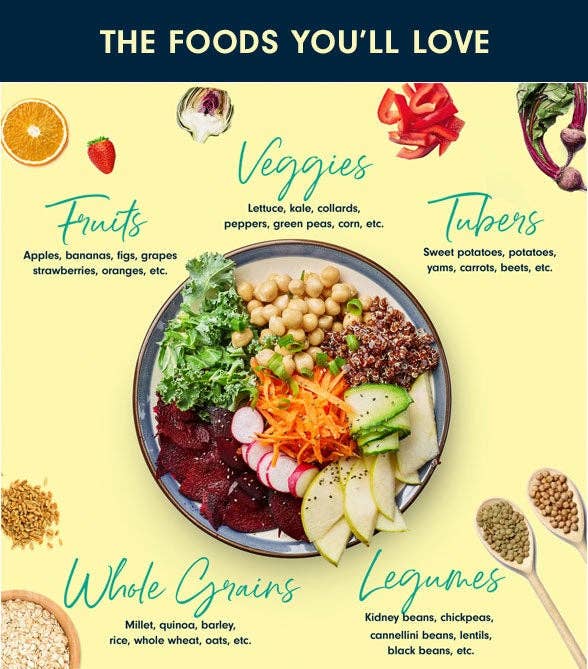
Essential Nutrients From Plants
Plants are rich in essential nutrients. Here are some key nutrients you can find in plant-based foods:
- Vitamins: Fruits and vegetables are full of vitamins A, C, and K.
- Minerals: Foods like beans, nuts, and seeds provide iron, calcium, and magnesium.
- Fiber: Whole grains and legumes are excellent sources of fiber, aiding digestion.
- Antioxidants: Berries and dark leafy greens are packed with antioxidants.
- Phytonutrients: Colorful fruits and vegetables have phytonutrients, which support health.
Balancing Macronutrients
Plant-based eating also means balancing your macronutrients. Macronutrients include carbohydrates, proteins, and fats. Each plays a vital role in your diet.
| Macronutrient | Sources | Benefits |
|---|---|---|
| Carbohydrates | Whole grains, fruits, vegetables | Provides energy for daily activities |
| Proteins | Legumes, nuts, seeds, tofu | Supports muscle growth and repair |
| Fats | Avocados, olive oil, nuts | Essential for brain health and hormone production |
Balancing these macronutrients ensures you get all the energy and nutrients your body needs. Focus on variety. Include different plant foods to cover all your nutritional bases.
Environmental Perks Of Choosing Plants
Eating plant-based foods helps the planet. It reduces harm to our environment. This choice brings many benefits. Let’s explore how it impacts our world positively.
Reducing Carbon Footprint
Plant-based diets lower carbon emissions. Animal farming produces a lot of greenhouse gases. Choosing plants cuts down on these emissions. Less meat means a smaller carbon footprint.
Every meal counts. Eating more fruits and vegetables can help. Each plant-based choice supports a cleaner atmosphere. Small actions lead to big changes.
Conserving Water And Land Resources
Plant-based eating saves water. Animal farming uses much more water than crops. One pound of beef requires over 1,800 gallons of water. In contrast, growing vegetables uses far less.
Land use also matters. Raising animals needs large areas of land. Growing plants uses space more efficiently. More land for crops means less deforestation.
Choosing plants makes a difference. It helps conserve water and land. By eating more plants, we protect our natural resources.
Transitioning To A Plant-based Diet
Transitioning to a plant-based diet can feel overwhelming. Many people worry about giving up their favorite foods. It is important to take small steps. This makes the process easier and more enjoyable. With the right approach, you can thrive on plant-based meals.
Start by exploring new ingredients. Discover delicious fruits, vegetables, grains, and legumes. Experimenting with different flavors can be exciting. This journey is about finding what works best for you.
Phasing Out Animal Products
Begin by reducing animal products in your meals. Start with one meal a day. Make it plant-based. Gradually replace dairy and meat with vegan options. For example, use almond milk instead of cow's milk. Try lentils or chickpeas instead of ground meat.
Focus on whole foods. Fill your plate with colorful veggies. Add whole grains like quinoa or brown rice. These foods offer essential nutrients and keep you satisfied.
As you grow more comfortable, expand your plant-based meals. Try new recipes each week. This keeps your meals exciting and varied. Don't rush the process. Give yourself time to adjust.
Addressing Common Concerns And Challenges
Many people worry about getting enough protein. Plant-based diets can provide all the protein you need. Foods like beans, nuts, seeds, and tofu are excellent sources.
Some fear they might miss out on flavors. Plant-based cooking can be full of taste. Experiment with spices and herbs to enhance your meals. A little creativity goes a long way.
It's normal to face challenges. Social situations may be tough. Inform friends and family about your dietary choices. Plan meals ahead to avoid stress.
Stay positive. Celebrate small victories. Each step brings you closer to a healthier lifestyle. Embrace the journey.
Recipe 1: Energizing Breakfast Bowl
The Energizing Breakfast Bowl is a great way to start your day. This recipe is simple and packed with nutrients. It combines fruits, grains, and nuts for a delicious meal. You will feel full and energized all morning.
Ingredients And Health Benefits
Here are the ingredients you need:
- 1/2 cup rolled oats
- 1 cup almond milk (or any plant-based milk)
- 1 banana, sliced
- 1/4 cup blueberries
- 2 tablespoons chia seeds
- 1 tablespoon almond butter
- 1 tablespoon honey or maple syrup (optional)
- Pinch of cinnamon
This breakfast bowl is rich in fiber. Oats help with digestion and keep you full. Bananas provide potassium, which is good for your heart. Blueberries are high in antioxidants. Chia seeds add protein and healthy fats. Almond butter gives energy and flavor.
Step-by-step Preparation
Follow these simple steps to make your breakfast bowl:
- In a saucepan, heat the rolled oats and almond milk.
- Cook on medium heat for about 5 minutes. Stir occasionally.
- Remove from heat and let it cool for a minute.
- Pour the oatmeal into a bowl.
- Top with banana slices, blueberries, and chia seeds.
- Drizzle almond butter and honey or maple syrup on top.
- Sprinkle with cinnamon for extra flavor.
- Enjoy your energizing breakfast bowl!
This breakfast bowl is quick to make. It is perfect for busy mornings. Enjoy a healthy start to your day with this tasty meal.
Recipe 2: Quick And Nutritious Lunch Wrap
Need a fast, healthy meal? Try this Quick and Nutritious Lunch Wrap. It is simple to make and full of flavor. Packed with fresh veggies and protein, it keeps you satisfied. This wrap is perfect for lunch or a light dinner.
Wrapping Up Your Greens
Start with a large tortilla or a lettuce leaf. These make a great base. Add your favorite greens like spinach or kale. Greens are full of vitamins. They help keep you healthy.
Next, layer in some colorful veggies. Think bell peppers, cucumbers, and shredded carrots. These add crunch and taste. Don't forget protein! Chickpeas or hummus work well. They make your wrap filling.
Customizing Your Wrap
You can change this wrap to fit your taste. Love spicy food? Add some jalapeños or a spicy sauce. Want something creamy? Try avocado or a yogurt dressing.
Feel free to experiment with different flavors. Use different wraps like whole grain or gluten-free. Mix and match ingredients to create your perfect lunch.
This Quick and Nutritious Lunch Wrap is flexible. It suits any dietary needs. Enjoy it at home, work, or on the go.
Recipe 3: Heart-healthy Buddha Bowl
The Heart-Healthy Buddha Bowl is a colorful and nutritious meal. It combines whole grains, fresh vegetables, and protein-rich legumes. This bowl is filling and good for your heart. It is perfect for lunch or dinner. Enjoy the fresh flavors and vibrant colors.
The Power Of Whole Grains And Legumes
Whole grains and legumes are the stars of this bowl.
- Whole Grains: They provide fiber and nutrients.
- Legumes: They add protein and keep you full.
Here are some great choices:
| Whole Grains | Legumes |
|---|---|
| Quinoa | Chickpeas |
| Brown Rice | Black Beans |
| Farro | Lentils |
These options boost heart health. They help reduce cholesterol levels. Eating them regularly can lower the risk of heart disease.
Assembling Your Buddha Bowl
Building your Buddha Bowl is simple. Start with a base of whole grains.
- Choose your whole grain.
- Add fresh vegetables like spinach, carrots, and bell peppers.
- Include protein from legumes.
- Top with healthy fats like avocado or nuts.
- Drizzle with a tasty dressing.
Here’s a quick recipe to try:
- Ingredients:
- 1 cup cooked quinoa
- 1/2 cup chickpeas
- 1 cup mixed greens
- 1/2 avocado, sliced
- 1/4 cup cherry tomatoes
- 2 tablespoons tahini dressing
- Instructions:
- Place quinoa in a bowl.
- Layer greens, chickpeas, and vegetables on top.
- Add avocado slices.
- Drizzle with tahini dressing.
- Enjoy your delicious Buddha Bowl!
Try this recipe. It’s easy, healthy, and satisfying. Perfect for anyone starting a plant-based journey.

Credit: www.everydayhealth.com
Recipe 4: Plant-powered Protein Dinner
Recipe 4: Plant-Powered Protein Dinner offers a delicious way to enjoy plant-based eating. This recipe focuses on high-protein ingredients. It is easy to prepare and packed with flavor. Enjoy a satisfying meal that nourishes your body.
Harnessing Plant Proteins
Plant proteins are essential for a balanced diet. They help build muscles and keep you full. Here are some great sources of plant protein:
- Quinoa
- Lentils
- Chickpeas
- Black beans
- Tofu
Combining different plant proteins creates complete proteins. This ensures you get all necessary amino acids. Try mixing beans with grains or nuts.
Cooking The Perfect Plant-based Dinner
This recipe combines quinoa, black beans, and vegetables. It is colorful, nutritious, and full of flavor. Follow these steps for a great meal:
- Cook 1 cup of quinoa according to package instructions.
- In a separate pan, sauté 1 chopped onion and 2 minced garlic cloves.
- Add 1 can of drained black beans and 1 cup of corn.
- Mix in 1 diced bell pepper and 1 cup of chopped spinach.
- Season with cumin, paprika, salt, and pepper to taste.
- Combine the quinoa with the vegetable mixture.
- Serve warm, garnished with fresh cilantro.
This meal is not only tasty but also quick to prepare. Perfect for busy weeknights. Enjoy the benefits of plant-based eating with every bite.
| Ingredient | Amount | Protein (g) |
|---|---|---|
| Quinoa (1 cup) | 1 | 8 |
| Black Beans (1 cup) | 1 | 15 |
| Corn (1 cup) | 1 | 5 |
| Spinach (1 cup) | 1 | 5 |
This meal provides a total of 33 grams of protein. It is a great option for those looking to boost their plant-based protein intake.
Recipe 5: Guilt-free Dessert
Enjoying dessert doesn't have to mean guilt. This guilt-free dessert is delicious and healthy. It's a perfect way to satisfy your sweet tooth without the extra calories. Let's dive into how to make this treat easy and enjoyable.
Sweetening With Natural Sugars
Using natural sugars is a smart choice. They add sweetness without harmful effects. Consider options like maple syrup, honey, or coconut sugar. These alternatives keep the dessert tasty. They also provide nutrients that refined sugars lack. Using these can make your dessert healthier.
Preparing Your Healthy Treat
Gather your ingredients first. You will need oats, ripe bananas, and your choice of natural sweetener. Mix them in a bowl until well combined. You can add nuts or dark chocolate for extra flavor. Form small balls or bars and place them on a baking sheet. Bake at a low temperature for about 15 minutes. Let them cool before enjoying. This dessert is simple and quick to prepare.
Maintaining A Balanced Plant-based Diet
Eating a balanced plant-based diet is essential for health. It helps provide the body with necessary nutrients. A variety of foods ensures you get vitamins, minerals, and protein. Focus on whole foods for the best results.
Diverse Food Choices
Choosing a wide range of foods is key. Include fruits, vegetables, whole grains, nuts, and seeds. Each food group offers unique benefits.
- Fruits: Rich in vitamins and antioxidants.
- Vegetables: High in fiber and minerals.
- Whole Grains: Provide energy and B vitamins.
- Nuts and Seeds: Great sources of healthy fats and protein.
Try different colors and types of food. This keeps meals interesting and nutritious. Include legumes like beans and lentils. They are excellent protein sources.
Planning Your Meals
Meal planning is important for a balanced diet. It helps you stay organized and makes shopping easier. Here are some steps to consider:
- Choose a variety of foods each week.
- Plan meals around seasonal produce.
- Prepare snacks that are healthy and easy to grab.
- Batch cook to save time during the week.
Use a simple table to track your meals:
| Day | Breakfast | Lunch | Dinner |
|---|---|---|---|
| Monday | Oatmeal with fruits | Quinoa salad | Stir-fried vegetables and tofu |
| Tuesday | Smoothie with spinach | Chickpea wrap | Lentil soup |
| Wednesday | Avocado toast | Veggie sushi | Stuffed bell peppers |
With careful planning, meals can be enjoyable and nutritious. Always aim for balance. This will help you feel your best.
Exploring Further: Beyond The Recipes
Plant-based eating offers more than just delicious recipes. It opens doors to new ideas, communities, and resources. Understanding this lifestyle can deepen your experience. Here, we explore how to continue your journey.
Continuing Your Plant-based Journey
Embracing a plant-based lifestyle is a personal choice. It requires commitment and curiosity. Here are some ways to keep going:
- Experiment with Ingredients: Try new fruits, vegetables, and grains.
- Cook with Friends: Share meals and recipes with others.
- Join a Cooking Class: Learn from experts in your area.
- Track Your Meals: Keep a journal of your dishes.
- Stay Informed: Read books and articles on plant-based nutrition.
Every meal can be a new adventure. Explore local markets and seasonal produce. Discover flavors that inspire you.
Additional Resources And Communities
Finding support can make your journey easier. Many online communities and resources exist. Here are some valuable options:
| Resource | Description |
|---|---|
| Online Forums | Connect with others who share your interest. |
| Social Media Groups | Join discussions and share experiences. |
| Recipe Blogs | Find inspiration and new ideas. |
| Local Meetups | Meet like-minded people in your area. |
| Nutrition Workshops | Learn about plant-based nutrition from experts. |
These resources can help you stay motivated. Engaging with others makes the process more enjoyable. Share your successes and challenges.
With the right support, your plant-based journey can thrive. Keep exploring new flavors and ideas.
:max_bytes(150000):strip_icc()/VWF-Plant-Based-Eating-V6-edit1-0a05c9c9c14e489b8e981fbb0221d49e.jpg)
Credit: www.verywellfit.com
Frequently Asked Questions
What Are The Main Benefits Of Plant-based Eating?
Plant-based eating offers numerous health benefits. It can lower the risk of chronic diseases, improve heart health, and aid in weight management. Additionally, it promotes a higher intake of essential nutrients. Sustainable eating practices can also reduce your environmental impact, making it a win-win for you and the planet.
How Can I Start A Plant-based Diet?
Starting a plant-based diet is simple. Begin by incorporating more fruits, vegetables, grains, and legumes into your meals. Gradually replace animal products with plant-based alternatives. Experiment with new recipes to keep your meals exciting. Always ensure you're getting enough protein and nutrients to meet your dietary needs.
Are Plant-based Diets Suitable For Everyone?
Yes, plant-based diets can be suitable for most people. They are adaptable and can cater to various dietary preferences. However, individuals with specific nutritional needs should consult a healthcare provider. It's essential to ensure that you are meeting your nutritional requirements while transitioning to a plant-based diet.
What Are Some Easy Plant-based Recipes?
There are many easy plant-based recipes to try. Start with simple dishes like vegetable stir-fries, quinoa salads, or lentil soups. Smoothies with fruits and greens also make a great breakfast. These recipes are quick, nutritious, and can be customized to your taste preferences.
Conclusion
Plant-based eating offers many health benefits. It can improve your energy and mood. The recipes shared in this post are simple and delicious. They help you start this healthy journey. You don’t need to be a chef to enjoy them.
Just try one recipe at a time. Enjoy the flavors and feel the difference. Embrace this lifestyle for a healthier you. Make small changes today for big benefits tomorrow. Start your plant-based adventure now!
