High-Protein Hype: How Much Do You Really Need for Fat Loss? Uncovered
You’ve probably heard that eating more protein can help you lose fat. But how much protein do you really need to make a difference?
With so many numbers and opinions floating around, it’s easy to feel confused or overwhelmed. The truth is, protein can be a powerful tool for fat loss—but only when you get the right amount for your body and goals. You’ll discover how protein works to burn fat, how much you should aim for, and simple tips to make protein work for you.
Keep reading to cut through the hype and unlock a smarter way to reach your fat loss goals.
Credit: organicpharmer.com
Protein And Fat Loss Connection
Protein plays a key role in fat loss. It affects the body in several ways that help reduce fat. Eating enough protein changes how the body uses energy and controls hunger. This connection makes protein important for anyone trying to lose fat effectively.
Understanding how protein works can help you choose the right amount for your goals. The following sections explain how protein influences appetite, metabolism, muscle preservation, and fat reduction.
How Protein Affects Appetite
Protein makes you feel full longer than fats or carbohydrates. It slows down digestion and raises hormones that reduce hunger. Eating protein-rich meals can lower overall calorie intake. This helps control cravings and prevents overeating during fat loss.
Thermic Effect Of Protein
Protein requires more energy to digest than other nutrients. This is called the thermic effect of food (TEF). Your body burns extra calories breaking down protein. This boosts metabolism and increases total calorie burn. A higher protein intake raises this effect, aiding fat loss.
Muscle Preservation During Weight Loss
When losing weight, muscle mass often decreases. Protein helps protect muscles from breaking down. Maintaining muscle keeps metabolism higher because muscle burns more calories at rest. This preservation supports steady fat loss and better body composition.
Impact On Fat Reduction
Studies show protein helps reduce fat, especially around the belly. It supports fat loss while keeping muscle intact. Higher protein diets often lead to better fat loss results. This makes protein a valuable tool in losing weight and improving health.

Credit: www.self.com
Daily Protein Needs For Fat Loss
Protein plays a key role in fat loss. It helps preserve muscle, controls hunger, and boosts metabolism. Understanding your daily protein needs can improve fat loss results. The right amount depends on several factors like body weight and activity. Here, we break down how much protein you need daily for fat loss.
General Protein Guidelines
The average person should eat about 0.8 grams of protein per kilogram of body weight. For fat loss, experts often recommend 1.2 to 2.2 grams per kilogram. This range supports muscle preservation and fat burning. Eating enough protein also helps reduce cravings and keeps energy levels steady.
Adjusting Protein Intake By Activity Level
People who exercise need more protein than those who are less active. Strength training or intense workouts increase protein needs to repair muscles. Sedentary individuals can aim for the lower end of the protein range. Athletes or heavy exercisers should target the higher end to support recovery and fat loss.
Protein Timing And Distribution
Spreading protein intake evenly throughout the day helps muscle maintenance. Aim to include protein in every meal and snack. This approach supports steady energy and reduces hunger. Eating protein soon after exercise can improve muscle repair and growth, aiding fat loss efforts.

Choosing Protein Sources
Choosing the right protein sources plays a key role in fat loss success. Protein quality affects how well your body uses it for muscle repair and fat burning. Different protein sources offer varied benefits and challenges. Understanding these differences helps in making smart choices for your diet.
Animal Vs Plant Proteins
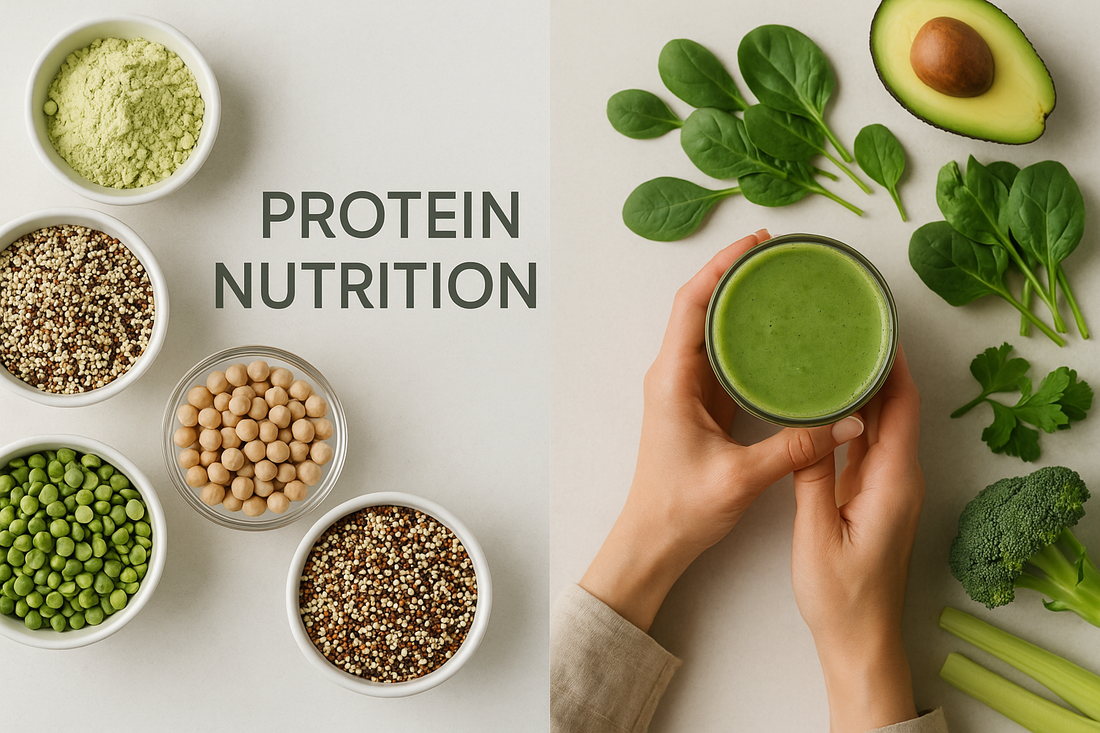
Animal proteins come from meat, dairy, eggs, and fish. They contain all essential amino acids your body needs. These proteins are often easier to digest and absorb. Plant proteins come from beans, lentils, nuts, seeds, and grains. Most plant proteins lack one or more essential amino acids but combining different plants can provide a complete profile. Animal proteins usually have more protein per serving, but plant sources add fiber and other nutrients.
Whole Foods Vs Supplements
Whole foods provide protein along with vitamins, minerals, and fiber. Eating whole foods supports overall health and satiety. Protein supplements like powders and bars offer quick, convenient protein. They can help meet protein needs when time or appetite is limited. Supplements lack the additional nutrients found in whole foods. They work well as a backup but should not replace balanced meals.
Balancing Protein With Other Nutrients
Protein is important, but balance matters. Combining protein with healthy fats and carbohydrates fuels your body and supports fat loss. Carbs provide energy for workouts and daily activities. Healthy fats aid hormone function and keep you full longer. Avoid very high protein diets that ignore other nutrients. A balanced diet supports metabolism and long-term fat loss success.
Credit: www.alive.com
Potential Risks And Precautions
High-protein diets offer many benefits for fat loss. Still, they come with some risks that should not be ignored. Knowing these risks helps you make safer choices. Precautions matter, especially for long-term health and wellbeing. Below are key points to consider before increasing protein intake.
Kidney Health Considerations
The kidneys filter waste from the blood. High protein intake increases this workload. People with kidney problems may face extra stress on their kidneys. This can worsen existing kidney disease. Healthy individuals usually tolerate moderate increases well. Regular kidney check-ups help monitor any changes. Drinking enough water supports kidney function during high protein diets.
Consulting Health Professionals
Nutrition needs vary by person. Talking with a doctor or dietitian ensures safety. They can assess your health status and goals. Experts provide personalized protein recommendations. This avoids guesswork and reduces health risks. Professional guidance is vital for those with medical conditions. A tailored plan improves fat loss results safely.
Avoiding Excessive Protein Intake
Too much protein can cause side effects. Digestive issues like bloating and constipation are common. Excess protein may lead to nutrient imbalances. It can also increase calorie intake, slowing fat loss. Balance protein with other nutrients for best results. Stick to recommended amounts to protect your health.
Maximizing Fat Loss With Protein
Protein plays a key role in maximizing fat loss. It supports muscle growth and helps burn fat more efficiently. Eating enough protein keeps hunger in check and boosts metabolism. This section explains how to use protein effectively for fat loss.
Combining Protein With Exercise
Exercise and protein work well together for fat loss. Protein helps repair muscles after workouts. This leads to stronger muscles and a faster metabolism. Strength training combined with protein intake preserves muscle during calorie cuts. Cardio plus protein also helps maintain energy and muscle health.
Incorporating Protein In Calorie Deficit
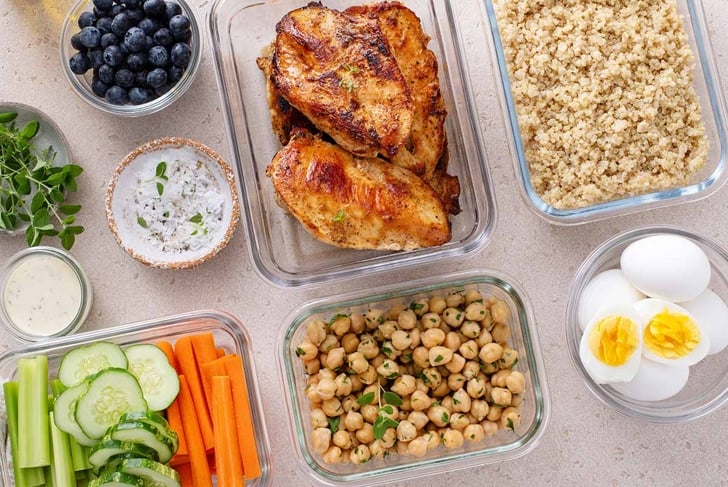
Eating protein during a calorie deficit preserves muscle mass. Muscle loss slows metabolism and can cause weight regain. Protein reduces hunger, making it easier to stick to calorie limits. Choose lean proteins like chicken, fish, or plant-based sources. Spread protein intake evenly through meals for best results.
Maintaining Long-term Weight Loss
Protein supports weight maintenance after fat loss. It keeps muscles strong and metabolism steady. Higher protein intake helps control appetite and reduce cravings. Consistent protein habits prevent muscle loss and fat regain. Focus on balanced meals with adequate protein for lasting results.
Scientific Evidence On High-protein Diets
Scientific evidence supports the role of high-protein diets in fat loss. Studies reveal how protein influences body composition and metabolism. Understanding this evidence helps clarify how much protein is needed for effective fat loss.
Clinical Trials Summary
Many clinical trials tested high-protein diets for fat loss. Participants often lost more fat compared to low-protein groups. Protein intake ranged from 25% to 35% of daily calories. These diets preserved muscle mass during calorie restriction. Results showed better weight maintenance after dieting. Trial participants also reported feeling fuller on high-protein diets. This reduced their overall calorie intake naturally.
Effects On Visceral Fat
Visceral fat surrounds organs and harms health. High-protein diets help reduce this dangerous fat type. Research shows a significant drop in visceral fat with increased protein. This effect improves metabolic health and lowers disease risk. Protein supports fat loss without harming muscle tissue. Losing visceral fat improves insulin sensitivity and heart health. The reduction often occurs faster than total body fat loss.
Metabolic Benefits
Protein boosts metabolism through its high thermic effect. The body uses more energy to digest protein than carbs or fats. This increases daily calorie burn and supports fat loss. Protein also helps maintain muscle mass, which keeps metabolism high. Higher muscle mass means more calories burned at rest. In addition, protein stabilizes blood sugar levels. Stable blood sugar reduces hunger and energy crashes.
Frequently Asked Questions
How Much Protein Do I Really Need For Fat Loss?
Aim for 0. 7 to 1 gram of protein per pound of body weight daily to support fat loss and preserve muscle.
Will I Lose Fat If I Eat High Protein?
Eating high protein can help lose fat by increasing fullness, boosting metabolism, and preserving muscle, which aids fat loss.
Is 200g Of Protein Too Much For Fat Loss?
Eating 200g of protein can support fat loss by preserving muscle and boosting metabolism. Ensure it fits your calorie needs. Consult a healthcare professional if you have kidney issues or other health concerns. Balance protein intake with whole foods for best results.
How Much Protein Is Needed Daily For Fat Loss?
Aim for 1. 2 to 1. 6 grams of protein per kilogram of body weight daily. This range supports fat loss, muscle preservation, and satiety during calorie reduction.
Conclusion
Protein plays a key role in fat loss by keeping you full and preserving muscle. Eating enough protein supports your metabolism and helps burn more calories. Balancing protein with other nutrients is important for healthy weight loss. Adjust your intake based on your activity and body needs.
Remember, quality matters more than just quantity. Small, steady changes work best for lasting results. Stay consistent, listen to your body, and seek advice if unsure. Fat loss is a journey—protein is just one helpful part.