Fiber Prebiotics And Probiotics: Your Simple Guide to a Healthy Gut Boost
Your gut health plays a bigger role in your overall well-being than you might realize. When your digestive system is balanced, you feel more energetic, your mood improves, and your body fights off illnesses better.
But how do you achieve this balance? The secret lies in understanding fiber, prebiotics, and probiotics — powerful allies that work together to nurture a healthy gut. In this simple guide, you’ll discover what these terms mean, why they matter, and how you can easily include them in your daily routine.
Ready to take control of your gut health and feel your best? Keep reading to unlock the key to a happier, healthier you.
Gut Health Basics
Gut health is key to overall well-being. It affects digestion, immunity, and even mood. Understanding the basics helps you make better choices for your health.
The gut contains trillions of microbes that work together. These tiny organisms influence many body functions. Keeping them balanced supports a healthy gut environment.

Role Of The Gut Microbiome
The gut microbiome is a community of bacteria and other microbes. These microbes help digest food and produce vitamins. They protect against harmful bacteria and support the immune system. A diverse microbiome means better health and fewer digestive issues.
Importance Of Gut Balance
Gut balance means having the right mix of good and bad bacteria. Too many bad bacteria can cause problems like bloating or infections. Good bacteria help keep the gut lining strong and reduce inflammation. Eating fiber, prebiotics, and probiotics helps maintain this balance.
Fiber And Prebiotics
Fiber and prebiotics play a vital role in maintaining a healthy gut. They support digestion and help nourish beneficial gut bacteria. Understanding how they work can make it easier to improve your gut health naturally.
Types Of Dietary Fiber
Dietary fiber comes in two main types: soluble and insoluble. Soluble fiber dissolves in water and forms a gel-like substance. It helps lower cholesterol and blood sugar levels. Insoluble fiber does not dissolve in water. It adds bulk to stool and helps food move through the digestive system. Both types are important for overall gut health.
How Prebiotics Feed Gut Bacteria
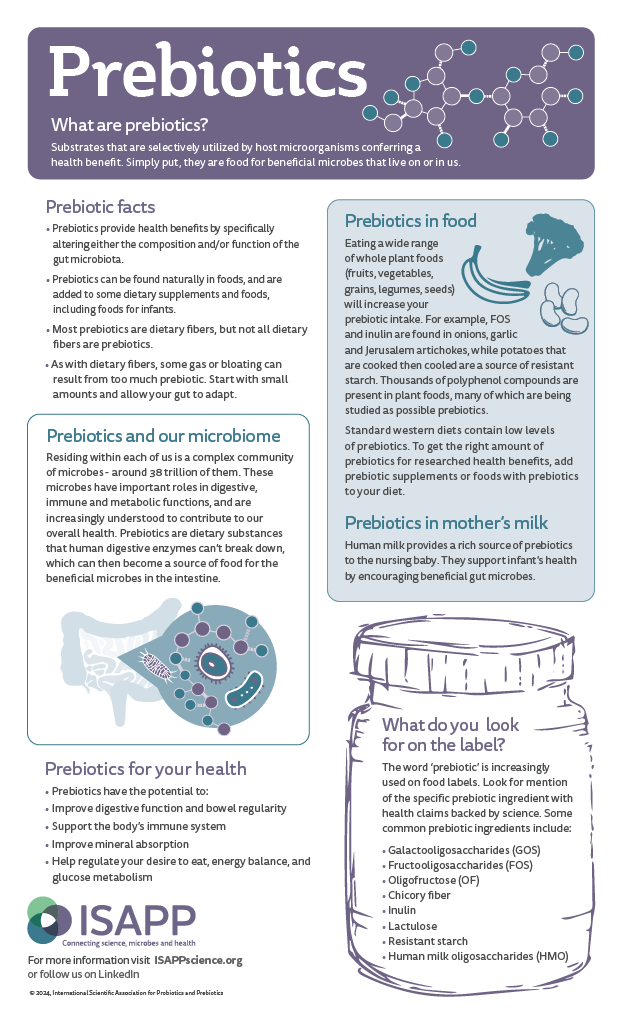
Prebiotics are special types of fiber that feed the good bacteria in the gut. These bacteria break down prebiotics and produce substances that support gut lining and immune function. Feeding these bacteria helps keep the gut balanced and healthy. Without enough prebiotics, good bacteria may struggle to survive.
Sources Of Prebiotic Fiber
Prebiotic fibers are found in many plant-based foods. Common sources include garlic, onions, leeks, and asparagus. Bananas and whole grains like oats also contain prebiotic fibers. Including these foods in your diet can support your gut bacteria and improve digestion naturally.
Probiotics Explained
Probiotics are live bacteria that help maintain a balanced gut. They support digestion and boost the immune system. Understanding probiotics is key to improving gut health. Here is a simple guide to the most common strains, their benefits, and how they function inside the gut.
Common Probiotic Strains
Some probiotic strains appear often in foods and supplements. Lactobacillus is popular for breaking down lactose and improving digestion. Bifidobacterium helps reduce inflammation and supports immune health. Saccharomyces boulardii is a beneficial yeast that protects against diarrhea. Each strain has a unique role in the gut environment.
Benefits Of Probiotics
Probiotics support digestion by balancing good bacteria. They may reduce symptoms of irritable bowel syndrome and diarrhea. Probiotics can enhance the immune response and lower inflammation. Some studies suggest they help with skin health and mental well-being. Their benefits depend on the strain and the dose.
How Probiotics Work In The Gut
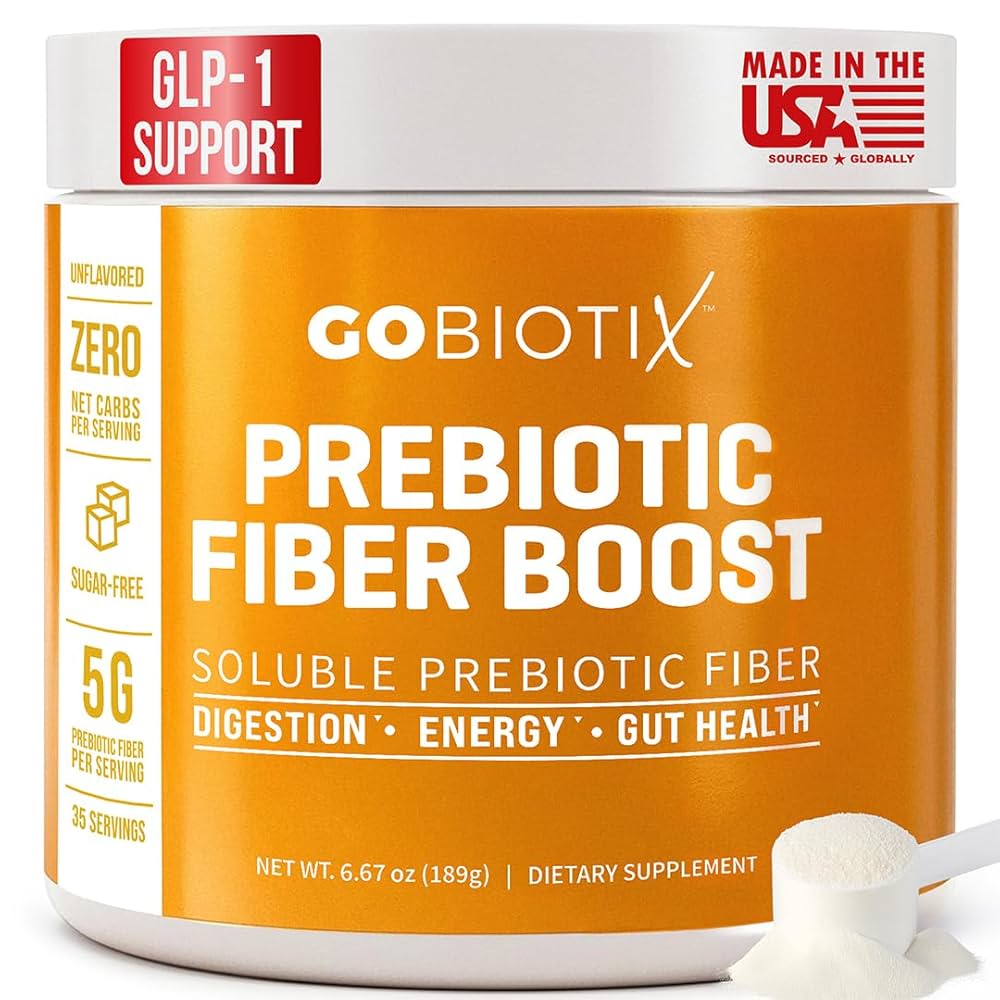
Probiotics settle in the digestive tract and compete with harmful bacteria. They produce substances that fight pathogens and support the gut lining. These bacteria help break down food and absorb nutrients. They also communicate with the immune system to keep it active and balanced. Probiotics thrive when paired with fiber-rich prebiotics.
Credit: www.amazon.com
Combining Fiber, Prebiotics, And Probiotics
Combining fiber, prebiotics, and probiotics creates a powerful team for gut health. Each plays a unique role in supporting digestion and immunity. Fiber feeds your body and keeps digestion smooth. Prebiotics serve as food for good bacteria. Probiotics add beneficial bacteria to your gut. Together, they improve gut balance and overall wellness.
Synbiotics And Their Effects
Synbiotics combine prebiotics and probiotics in one product. This pairing boosts the survival of good bacteria in your gut. It helps bacteria grow faster and work better. Synbiotics can improve digestion and reduce bloating. They also support a stronger immune system. Using synbiotics can make gut care simple and effective.
Timing And Dosage Tips
Taking fiber, prebiotics, and probiotics at the right time matters. Probiotics work best on an empty stomach, usually before meals. Fiber and prebiotics can be taken with meals for better digestion. Start with small doses to avoid gas or cramps. Gradually increase amounts as your body adjusts. Consistency is key for lasting gut health benefits.
Food Pairings For Better Absorption
Pair fiber, prebiotics, and probiotics with the right foods. Yogurt, kefir, and sauerkraut are great probiotic sources. Bananas, onions, and garlic provide natural prebiotics. Whole grains and legumes are rich in fiber. Combining these in meals helps bacteria thrive. Avoid high sugar and processed foods that harm gut flora. Fresh and natural foods support the best absorption.
Safety And Risks
Understanding the safety and risks of fiber prebiotics and probiotics is key for gut health. These supplements generally support digestion and immunity. Still, some groups must take extra care. Awareness of possible side effects and product quality helps ensure safe use.
Concerns For Immunocompromised Individuals
Probiotics contain live bacteria. For people with weak immune systems, these bacteria can cause infections. Patients on chemotherapy, organ transplant recipients, or those using steroids face higher risks. Infections can include sepsis or heart valve infections. Medical advice is essential before use.
Potential Side Effects
Some may experience mild stomach upset, gas, or bloating. These symptoms often ease over time. Rarely, severe allergic reactions may occur. Starting with low doses can reduce discomfort. Stop use if symptoms worsen and consult a doctor.
Quality And Regulation Issues
Probiotics and prebiotics are not tightly regulated by the FDA. This leads to variations in product quality and potency. Some supplements may contain contaminants or incorrect strains. Look for brands with third-party testing. Reliable products ensure safety and effectiveness.

Credit: yourwellnesscenter.com
Choosing Supplements
Choosing the right fiber prebiotic and probiotic supplements can support your gut health effectively. With many options on the market, it helps to know what matters most. Quality, safety, and effectiveness are key points to consider before buying any supplement. This section guides you through important steps to pick supplements wisely.
What To Look For On Labels
Check the amount of fiber and probiotic strains listed on the label. Look for specific strains backed by research, like Lactobacillus or Bifidobacterium. The label should show the number of live cultures, often in CFUs (colony-forming units). Choose supplements with at least 1 billion CFUs for effectiveness. Avoid products with added sugars or artificial fillers. Clear ingredient lists indicate transparency and quality.
Trusted Brands And Certifications
Pick brands known for high quality and good manufacturing practices. Certifications like NSF, USP, or GMP ensure safety and purity. These marks show the product meets strict standards and contains what the label claims. Brands with positive reviews and third-party testing offer more confidence. Avoid supplements from unknown sources or without certifications.
When To Consult A Healthcare Provider
Speak with a healthcare provider before starting supplements if you have health issues. People with weakened immune systems, pregnant women, or those on medication should get advice first. A doctor can recommend the best type and dosage for your needs. Professional guidance helps avoid risks and ensures safe use of prebiotics and probiotics.
Daily Habits For A Healthy Gut
Daily habits play a key role in keeping your gut healthy. Simple choices can help balance good bacteria and support digestion. Making consistent changes improves gut health and overall well-being. Focus on what you eat and how you live each day. Small steps add up to big benefits for your gut.
Incorporating Fiber-rich Foods
Fiber feeds the good bacteria in your gut. Include fruits, vegetables, whole grains, and legumes in meals. These foods help your digestion and keep you full longer. Try to eat a variety of fiber sources every day. Gradually increase fiber to avoid digestive discomfort.
Adding Probiotics To Your Diet
Probiotics add helpful bacteria to your gut. Eat yogurt, kefir, sauerkraut, kimchi, or other fermented foods regularly. These foods boost your gut’s natural flora and improve digestion. Choose probiotic-rich foods that suit your taste and routine. Supplements can help but check quality and safety first.
Lifestyle Factors That Support Gut Health
Exercise helps move food through the digestive system. Aim for at least 30 minutes of activity most days. Manage stress with relaxation techniques like deep breathing or meditation. Sleep well to allow your body to repair and balance gut bacteria. Avoid smoking and limit alcohol to protect your gut.
Credit: isappscience.org
Frequently Asked Questions
Why Do Cardiologists Warn Against Probiotics?
Cardiologists warn probiotics may cause infections in patients with weak immune systems. Quality varies due to limited FDA regulation. Always consult a doctor before use.
What Is The 1 Substance To Help Heal The Gut?
The 1 substance to help heal the gut is probiotics. They restore healthy bacteria and improve digestion.
Is It Okay To Take A Probiotic And Prebiotic Everyday?
Taking probiotics and prebiotics daily is generally safe for healthy individuals. Consult a doctor if you have a weakened immune system or health concerns.
What Are The Super Six Foods For Gut Health?
The super six foods for gut health are yogurt, kefir, sauerkraut, kimchi, garlic, and bananas. These foods boost probiotics, fiber, and prebiotics for a healthy gut.
Conclusion
A healthy gut depends on balancing fiber, prebiotics, and probiotics. Eating fiber-rich foods feeds good bacteria naturally. Prebiotics help these bacteria grow and stay strong. Probiotics add helpful bacteria directly to your system. Always choose quality sources for the best results.
Some people need to be careful with probiotics. Consult a healthcare provider if you have health issues. Small changes in diet can improve digestion and immunity. Gut health supports overall well-being every single day. Start simple and build habits that last.