Are you tired of dieting plans that leave you hungry and frustrated? What if you could lose weight without starving yourself or giving up the foods you love?
Macro counting might be the simple, effective solution you’ve been searching for. By focusing on the right balance of protein, carbs, and fats, you can fuel your body, curb cravings, and shed pounds in a healthy way. In this beginner’s guide, you’ll learn exactly how to start counting macros, why it works, and how it can fit easily into your daily life.
Ready to take control of your weight loss journey without feeling deprived? Keep reading—this is Macro Counting 101.
Credit: www.lemon8-app.com
What Are Macros
Macros, short for macronutrients, are the main nutrients your body needs for energy and growth. They include proteins, carbohydrates, and fats. Counting macros helps you understand what you eat and how it affects your body. This method guides you to eat enough without starving while aiming to lose weight. Each macro plays a different role in your health and fitness journey.
Proteins
Proteins build and repair muscles, skin, and tissues. They keep you full longer, helping reduce hunger. Good sources are chicken, fish, eggs, and beans. Eating enough protein supports weight loss by preserving muscle mass. It also boosts metabolism, which helps burn calories.
Carbohydrates
Carbohydrates provide quick energy for your body and brain. They break down into sugar, which fuels daily activities. Choose whole grains, fruits, and vegetables for healthy carbs. Avoid too many sugary or processed carbs to prevent weight gain. Balancing carbs helps keep energy steady throughout the day.
Fats
Fats support brain function and hormone production. They also help absorb vitamins from food. Healthy fats come from nuts, seeds, avocados, and olive oil. Eating good fats can keep you satisfied and reduce overeating. Avoid trans fats and limit saturated fats for better health.

Credit: www.amazon.com
Why Count Macros For Weight Loss
Counting macros helps you lose weight without feeling hungry all the time. It focuses on tracking proteins, fats, and carbohydrates in your meals. This method gives you control over your food choices and portion sizes. You eat enough to feel satisfied while still losing fat. Understanding why counting macros works can motivate you to stick with it.
Better Appetite Control
Counting macros helps balance your meals. Eating enough protein and fats keeps you full longer. This reduces sudden hunger and cravings. You avoid overeating because your body feels satisfied. Hunger becomes easier to manage, making weight loss smoother and less stressful.
Muscle Preservation
Weight loss often causes muscle loss, but counting macros protects your muscles. Protein intake supports muscle repair and growth. Maintaining muscle improves your body shape and strength. Muscles also burn more calories than fat, helping you keep weight off.
Metabolism Boost
Proper macro balance fuels your metabolism. Eating enough protein and healthy fats prevents your body from slowing down. A strong metabolism helps you burn calories efficiently. You lose fat without feeling weak or tired.
How To Calculate Your Macros
Calculating your macros is the first step to effective weight loss without feeling hungry. It helps you understand how much protein, carbs, and fats you need daily. Tracking these macros guides your eating habits and keeps your energy steady.
Follow simple steps to find the right balance for your body. This section explains how to calculate your macros clearly and easily.
Determine Calorie Needs
Start by finding your daily calorie needs. This is the amount of energy your body uses each day. You can use online calculators to estimate this number. Enter your age, weight, height, and gender. The result is your total daily energy expenditure (TDEE).
TDEE includes calories burned at rest and through activities. Knowing this helps you set a calorie goal for weight loss. To lose weight, eat fewer calories than your TDEE. A common approach is to reduce calories by 15-20%.
Set Macro Ratios
Next, decide how to split your calories among protein, carbs, and fats. A typical starting point is 40% carbs, 30% protein, and 30% fats. Protein supports muscle and keeps you full. Carbs provide energy. Fats help with hormone balance.
Use these percentages to calculate grams. Protein and carbs have 4 calories per gram. Fat has 9 calories per gram. For example, if you eat 1,500 calories daily, 30% protein equals 450 calories. Divide 450 by 4 to get 112 grams of protein.
Adjust For Activity Level
Your activity level changes your calorie needs. If you exercise a lot, you need more carbs for energy. Sedentary people need fewer carbs and calories. Light activity might mean a 10% increase in calories. Moderate activity could add 20% more.
Check your progress after a few weeks. If you don’t lose weight, lower calories or adjust macros slightly. If you feel tired, add more carbs or fats. Adjusting macros helps you find what works best.
Tools For Macro Tracking
Tracking your macros helps you stay on target with your nutrition goals. The right tools make macro counting easier and more accurate. Simple gadgets and apps can guide you through this process. They save time and reduce guesswork. Here are some essential tools for macro tracking you can use every day.
Using Apps
Apps help you log your meals quickly and accurately. Many have large food databases with macro information. You can scan barcodes or search for common foods. Apps calculate macros for you, so no math is needed. Some apps also track your progress over time. This keeps you motivated and aware of your eating habits.
Food Scales And Measuring
Measuring your food improves macro accuracy. A digital food scale shows exact weight in grams or ounces. This is crucial for portion control. Measuring cups and spoons help with liquids and smaller ingredients. Using these tools avoids underestimating or overestimating food amounts. Accurate measurement supports better weight loss results.
Saving Recipes
Saving recipes with macro info saves time later. Many apps allow you to enter and save your own recipes. You can include all ingredients and serving sizes. The app then calculates total macros per serving. This helps you prepare meals ahead and track easily. Having favorite recipes ready keeps your diet varied and enjoyable.
Tips For Staying Consistent
Staying consistent is the secret to success in macro counting. Small daily habits build long-term results. Focus on routines that make tracking easy and enjoyable. This section shares simple tips to keep you steady without feeling overwhelmed.
Meal Planning
Plan meals ahead to avoid last-minute choices. Preparing food in advance saves time and stress. Include balanced portions of protein, carbs, and fats. Use simple recipes with ingredients you enjoy. This keeps your diet varied and satisfying.
Tracking Daily Intake
Write down or log everything you eat each day. Use apps or a notebook to stay accurate. Tracking helps you see patterns and make better choices. Measure portions to avoid guessing. Consistent tracking builds awareness of your habits.
Handling Cravings
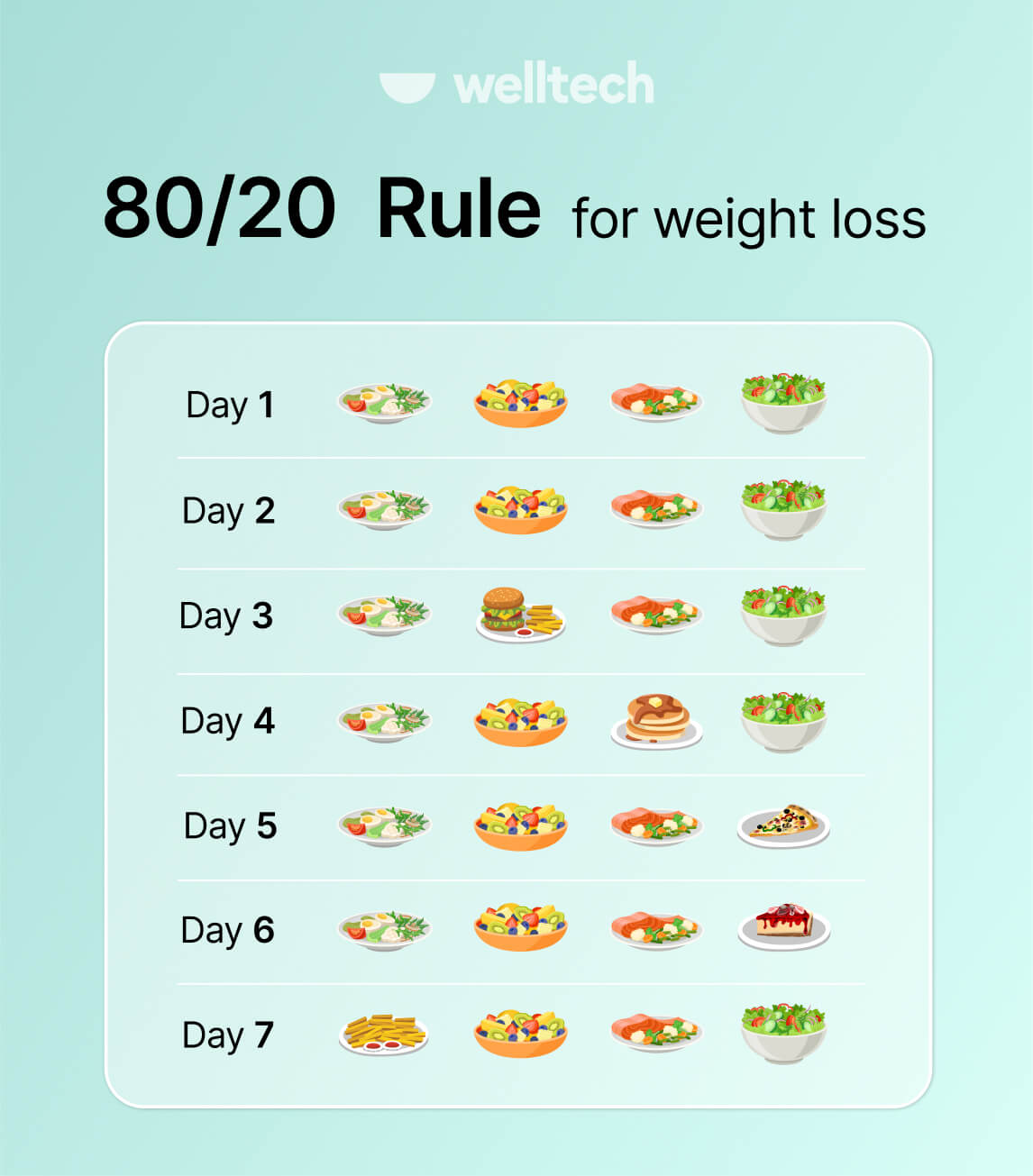
Cravings are normal during weight loss. Choose healthy snacks that fit your macros. Drink water before eating to check true hunger. Find distractions like walking or hobbies to reduce urges. Allow occasional treats to prevent feeling deprived.
Credit: welltech.com
Common Mistakes To Avoid
Counting macros can be a helpful way to lose weight without feeling hungry. Many beginners make mistakes that slow down progress or cause frustration. Avoiding common errors helps you stick to your plan and see results faster.
Focus on learning what works best for your body. Keep things simple and steady. Here are some common mistakes to watch out for.
Ignoring Portion Sizes
Even healthy foods can lead to weight gain if eaten in large amounts. Counting macros means tracking grams of protein, carbs, and fats, but portion size matters too. Use a food scale or measuring cups. Eyeballing portions often causes errors. Be precise to stay within your macro goals.
Overlooking Quality Of Food
Not all macros are equal. Choosing processed or junk foods can hurt your progress. Whole foods like vegetables, fruits, lean meats, and whole grains offer more nutrients. These foods keep you full longer and improve overall health. Prioritize nutrient-rich options to fuel your body well.
Being Too Restrictive
Cutting out too many foods can make dieting hard to keep up. Extreme limits cause cravings and can lead to binge eating. Balance is key. Allow some treats in moderation. This keeps your plan enjoyable and sustainable. Flexibility helps you stay consistent over time.
Combining Macros With Exercise
Combining macro counting with exercise creates a powerful approach to weight loss. Tracking macros ensures your body gets the right fuel. Exercise helps burn calories and build muscle. Together, they improve your metabolism and body shape. This synergy makes losing weight healthier and more sustainable.
Cardio Benefits
Cardio workouts increase your heart rate and burn calories fast. They help reduce body fat and improve endurance. Cardio also boosts your mood and energy levels. Regular cardio supports a calorie deficit needed for weight loss. It complements macro tracking by increasing overall energy use.
Strength Training Importance
Strength training builds muscle, which burns more calories at rest. It improves your body shape and strength. Muscle growth helps maintain weight loss long term. Protein intake supports muscle repair after workouts. Combining macros with strength training helps protect lean muscle while losing fat.
Low-intensity Workouts
Low-intensity workouts include walking or gentle yoga. They burn calories steadily without stressing the body. These workouts aid recovery and reduce injury risk. Low-intensity exercise supports daily activity goals and calorie burning. Paired with macro counting, they help maintain a balanced routine.
Adjusting Macros Over Time
Adjusting your macros over time is a key step in successful weight loss. Your body's needs change as you lose weight or become more active. Sticking to the same macro plan might slow progress or cause frustration. Tracking your results helps you see what works and what needs change. Making small shifts in your macros keeps your body fueled and supports fat loss without hunger.
Tracking Progress
Keep a daily log of your food intake and body changes. Use apps or a simple journal to record your macros and weight. Notice trends in energy, mood, and hunger levels. Tracking helps spot plateaus or improvements. This data guides your next macro adjustment.
Changing Ratios As Needed
Start with a balanced macro ratio based on your goals. Adjust carbs, proteins, or fats if progress stalls. For example, reduce carbs slightly or increase protein to boost metabolism. Small changes prevent feeling deprived. Listen to your body and tweak macros to match your activity and results.
Maintaining Results
Once you reach your goal, adjust macros to maintain weight. Focus on a sustainable balance that fits your lifestyle. Avoid drastic cuts that cause cravings or fatigue. Continue tracking occasionally to catch changes early. Consistency and flexibility keep your results long-term.
Frequently Asked Questions
What Macros Should I Eat To Lose Weight 101?
To lose weight, aim for a macro ratio of roughly 40% protein, 30% carbs, and 30% healthy fats. Prioritize protein to maintain muscle and reduce cravings. Adjust carbs and fats based on activity levels. Track portions accurately for best results.
What Is The 30/30/40 Rule Macro?
The 30/30/40 rule macro divides daily calories into 30% protein, 30% fat, and 40% carbohydrates for balanced nutrition.
What Is The Easiest Way To Count Macros To Lose Weight?
Use a macro tracking app like MyFitnessPal to log foods and portion sizes. Weigh your meals for accuracy. Adjust protein, carbs, and fats to fit your weight loss goals. Consistently track daily intake to stay on target and support fat loss effectively.
What Is The 30/30/30 Rule For Weight Loss?
The 30/30/30 rule for weight loss means eating 30% protein, 30% fat, and 30% carbohydrates daily. This balance supports metabolism and muscle maintenance.
Conclusion
Counting macros helps control what you eat without feeling hungry. It teaches balance between proteins, fats, and carbs for steady weight loss. Tracking your macros builds healthy habits and keeps you aware of food choices. Patience and consistency bring the best results over time.
Start simple, stay committed, and enjoy your progress. Weight loss does not mean starving; it means smart eating.